From Initial Sketch to 248 Homes: A Full-Lifecycle Arboricultural Success Story
Background
Our principal consultant Rob came across one of his former sites located on the Surrey-Hampshire borders near Farnborough. This site for 248 new homes required comprehensive arboricultural input to ensure that trees could be incorporated into the planning and construction of the site. Rob was engaged from the outset of the project, providing essential tree surveys and reports that helped shape the planning process and ultimately achieved a successful development.
Key Outcomes
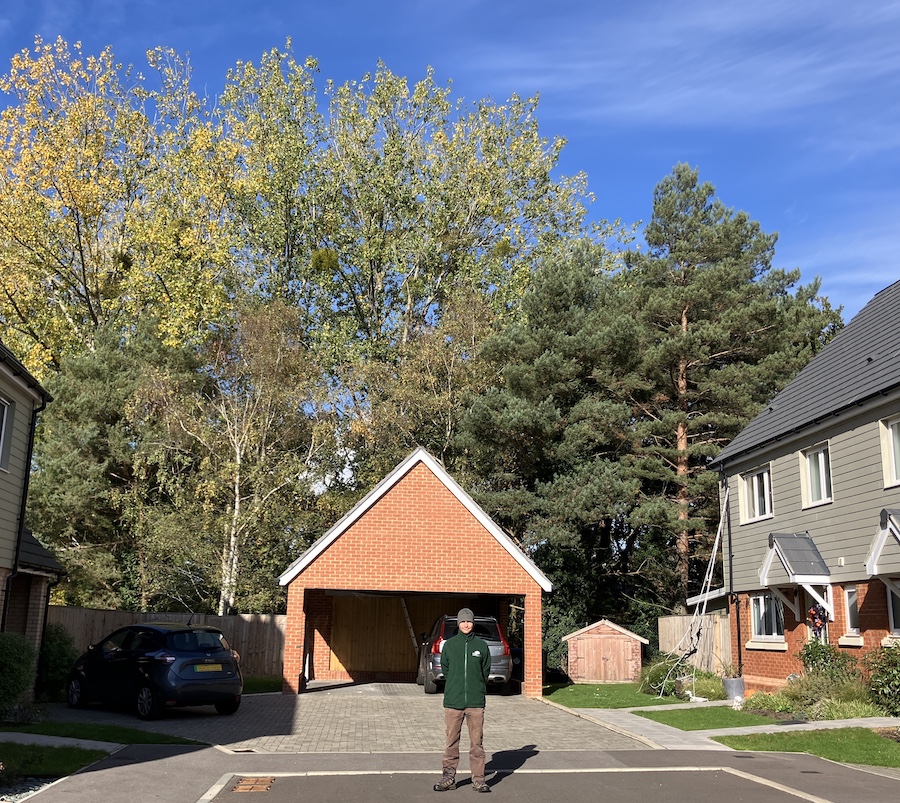
- Secured Large-Scale Planning Consent: Comprehensive arboricultural reports (BS5837 Survey, Impact Report) ensured the successful approval of 248 new homes without major tree-related issues.
- Integrated Tree Preservation: Early involvement allowed for the retention and integration of high-value trees into the final development layout, achieving a mature aesthetic.
- Mitigated Construction Risk: Detailed Tree Protection Plans and Method Statements prevented disruption and damage to retained trees throughout the construction phase.
Challenge
The main challenge was to assess whether any existing trees on the site could interfere with the proposed development and to ensure that the layout of the new homes would avoid impacting retained trees. Given the scale of the project, which involved a significant number of homes within a confined site, it was crucial to carefully evaluate tree constraints and develop a strategy to protect trees throughout construction.
Solution
Rob remembers conducting an initial site assessment with the developer to see if their vision of the site would conflict with high-value trees. Following this, Rob spent two full days conducting a BS5837 Tree Survey, providing a detailed overview of tree constraints and highlighting which trees would need to be preserved or protected. This information was critical in shaping the overall site layout, ensuring that the buildings and infrastructure avoided sensitive areas around the trees.
Once a layout was finalised, an Arboricultural Impact and Implications Report for planning was produced. This included a Tree Protection Plan (TPP) and an Arboricultural Method Statement (AMS) to demonstrate how the trees would be protected during construction. These documents were submitted in support of the application for 248 homes, and planning consent was granted without any significant tree-related issues.
Results
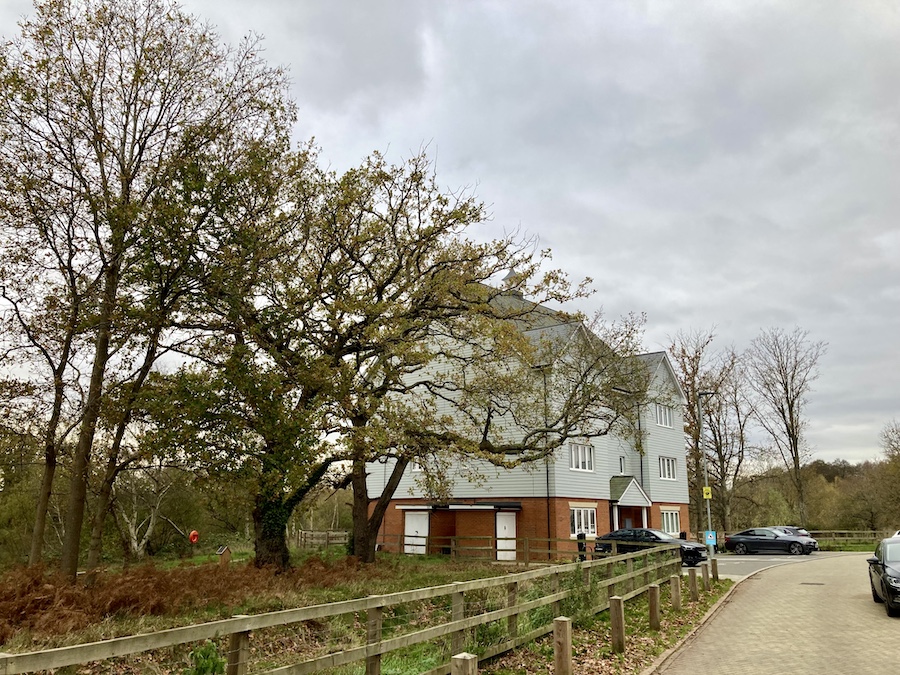
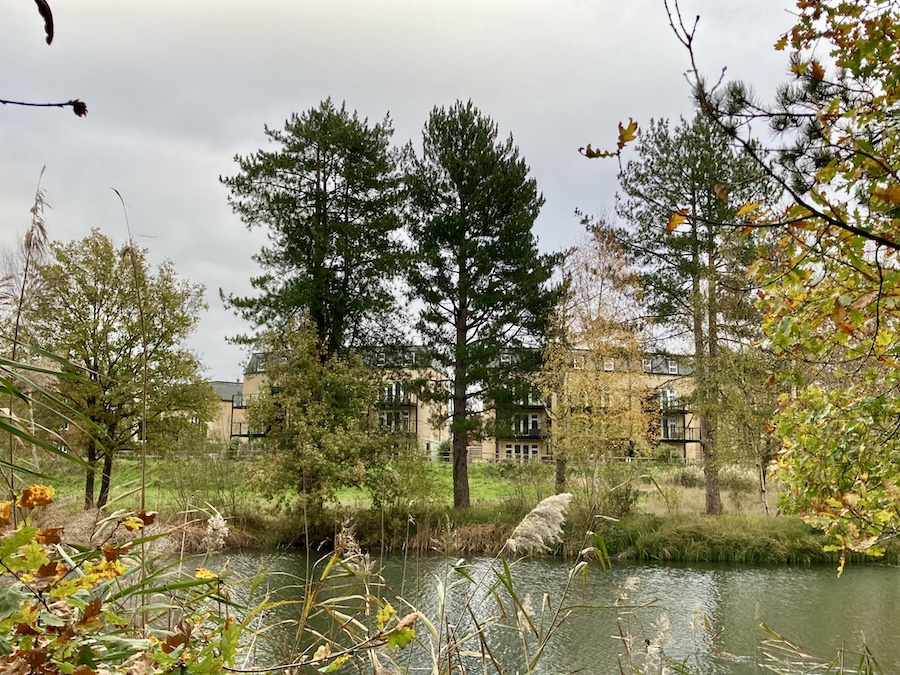
The development was successfully approved, and construction proceeded smoothly with minimal disruption to the existing trees. The last time Rob visited the site was just before construction started, for the pre-start meeting. Upon returning to the site, he remarked on how rewarding it was to see how the trees are now integrated into the new development layout, creating a harmonious blend of housing and established trees.
Conclusion
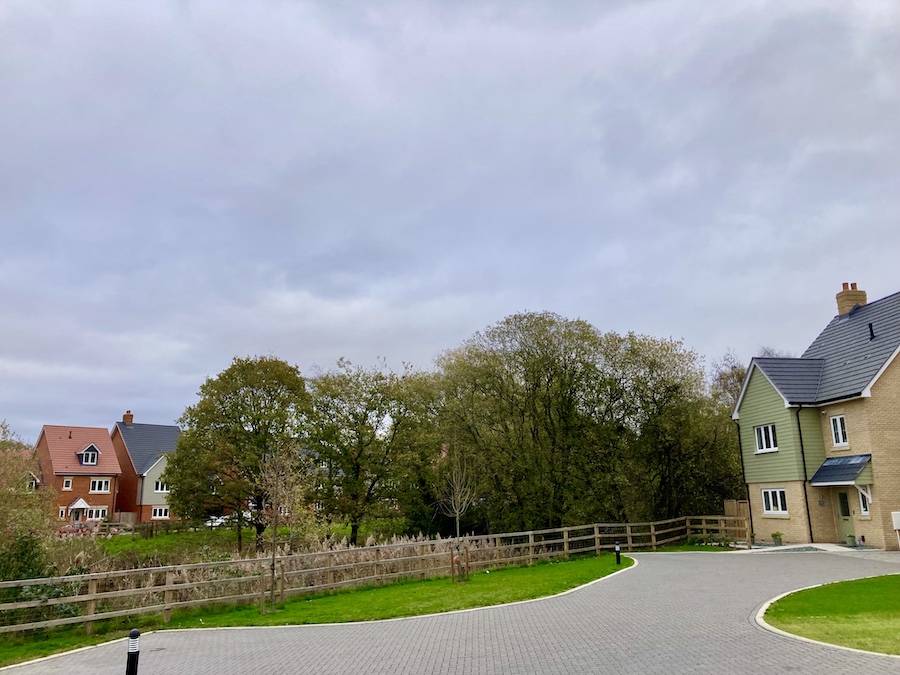
The project is a great example of how arboricultural involvement, from the feasibility phase or RIBA concept phase, is vital for reducing planning risk and incorporating mature trees into a new development that has a mature, verdant feel.
Let's talk
Get in touch to discuss your requirements and find out how TTC can help you.